Loading...
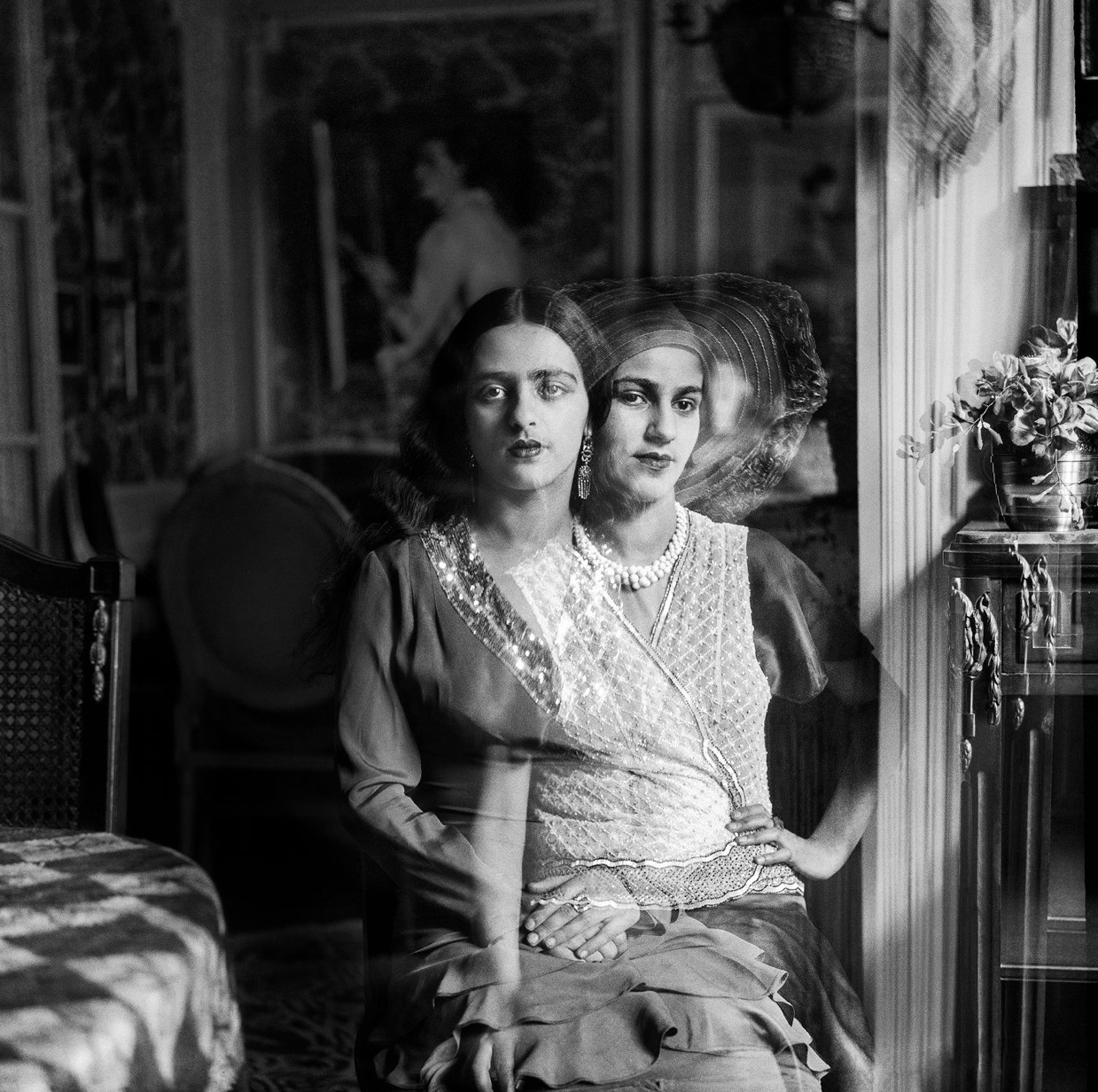
Umrao Singh Sher-Gil, Sutapa Biswas & Al-An deSouza
Eleanor Sanghara Güstard inherited an old Nikon F50 from her late father. When the lens cracked, she kept shooting through it. Those “poor images” became a methodology for navigating her position between Britain and India, whiteness and brownness.
In this episode Lou read's Eleanor's essay, where she traces a lineage of South Asian photographers who use technical strategies of degradation.
2026